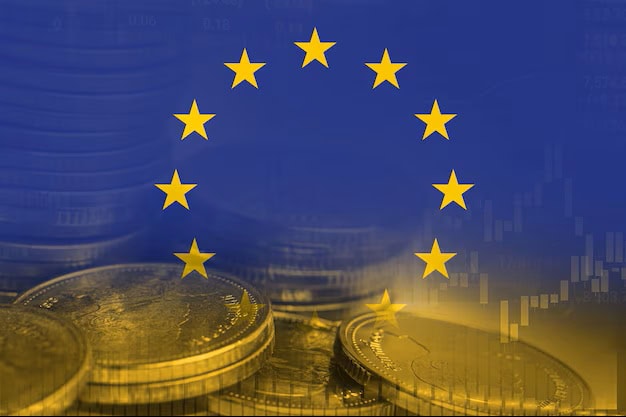
The European Union is launching an ambitious “One Europe, One Market” roadmap, set to fundamentally rewrite the rules for capital movement and asset management by the end of 2027. For high-net-worth individuals (HNWI) and expats operating across multiple jurisdictions, this means one thing: the barriers between national markets are falling, but with them vanish the last remnants of national regulatory differences. This initiative is a strategic necessity to strengthen Europe’s resilience in response to persistent geopolitical and economic volatility.
On April 24, 2026, the leaders of the main EU institutions signed a joint declaration turning political promises into operational reality. If you manage assets on an international scale, you should pay close attention. The roadmap includes specific targets for legislative proposals aimed at a significantly more unified market. For wealthy clients, this translates to easier cross-border investment movement, but simultaneously faster data sharing between supervisors and less room for regulatory arbitrage.
Which Barriers are Falling and What Does It Mean for Your Portfolio?
Until now, the fragmentation of the European market has often complicated direct investments – what was administratively simple in one country frequently hit specific national requirements in another. The “One Europe, One Market” roadmap aims to eliminate these differences by the end of 2027 at the latest. For expats, this will bring predictability, but at the price of absolute transparency.
EU authorities have agreed on quarterly progress reviews and clear institutional responsibilities. In practice, this means that the technical providers through which you manage your portfolio will be subject to a more uniform standard. While this may reduce the administrative burden of moving capital, it also allows regulators to monitor wealth structures more effectively.
Within the framework of investment structure oversight, it is crucial to understand that the primary risk is not the change in rules itself, but the system’s ability to react to unified supervision in real-time.
Strategy for Stability in an Integrated Market
Market integration is not just a regulatory task; it is a strategic step toward long-term prosperity. It will no longer matter in which part of the EU your assets are registered. The goal is to create an environment that provides predictability for citizens and businesses alike. For HNWI, this necessitates a review of current asset setups to ensure they align with this new, more cohesive Union.
When managing wealth, the focus must now shift to how your portfolio is structured from a long-term compliance perspective. This new European “unity” places high demands on data quality and strategic planning. While Aisa International does not approve individual transaction reports, our expert oversight monitors whether your investment setups meet these new standards and whether your interests are protected in an environment where national exemptions are gradually disappearing.
“This roadmap reflects the call for a stronger and more resilient Europe. It is ambitious, strengthening our ability to withstand shocks and providing predictability for both businesses and private investors.”
Key Steps for Investors in Response to the New Roadmap:
-
Review Cross-Border Structures: Ensure your investment setup remains viable in an environment where national specifics and advantages are disappearing.
-
Emphasis on Strategic Oversight: During market unification, it is critical to have a partner who independently verifies the compliance of your assets with new legislation.
-
Preparation for 2027: The roadmap is both a political and operational commitment. Changes will not be gradual but driven by a strict schedule of quarterly reviews.
While EU institutions speak of “economic growth and digital transformation,” for you as an investor, it is primarily about maintaining control over your assets in a system that is becoming increasingly centralized. The role of an independent advisor is indispensable in this process – not as an operational reporter, but as a strategic partner helping you navigate a unifying yet increasingly complex European landscape.
FAQ: 5 Questions Regarding “One Europe, One Market”
1. What is the main goal of the “One Europe, One Market” initiative? The goal is to strengthen the EU’s competitiveness and resilience through a fully integrated single market by the end of 2027 at the latest.
2. How does this impact expats living within the EU? The plan should bring greater predictability and reduce barriers to the cross-border movement of investments and services, simplifying asset management across different parts of the Union.
3. Does this mean increased scrutiny from authorities? Yes, the roadmap includes a regular inventory for full transparency and quarterly progress reviews, implying more efficient information sharing between EU authorities.
4. When will specific measures take effect? The roadmap was signed on April 24, 2026, and contains a clearly defined plan of steps to be fully implemented by the end of 2027.
5. How does Aisa International help in this situation? We act as an independent partner providing professional support in financial planning and compliance oversight, ensuring you are prepared for these regulatory changes in time.
