
What’s actually happening, in Czech crowns, not headlines
When you read about war in the Middle East, it can feel distant and abstract. But financially, it isn’t distant at all. For Czech households, this conflict is already showing up in very concrete ways: at the petrol station, in your grocery bill, and eventually in your mortgage rate.
Let’s break down what’s actually happening, in Czech crowns, not headlines.
The most immediate impact on Czech households - fuel prices
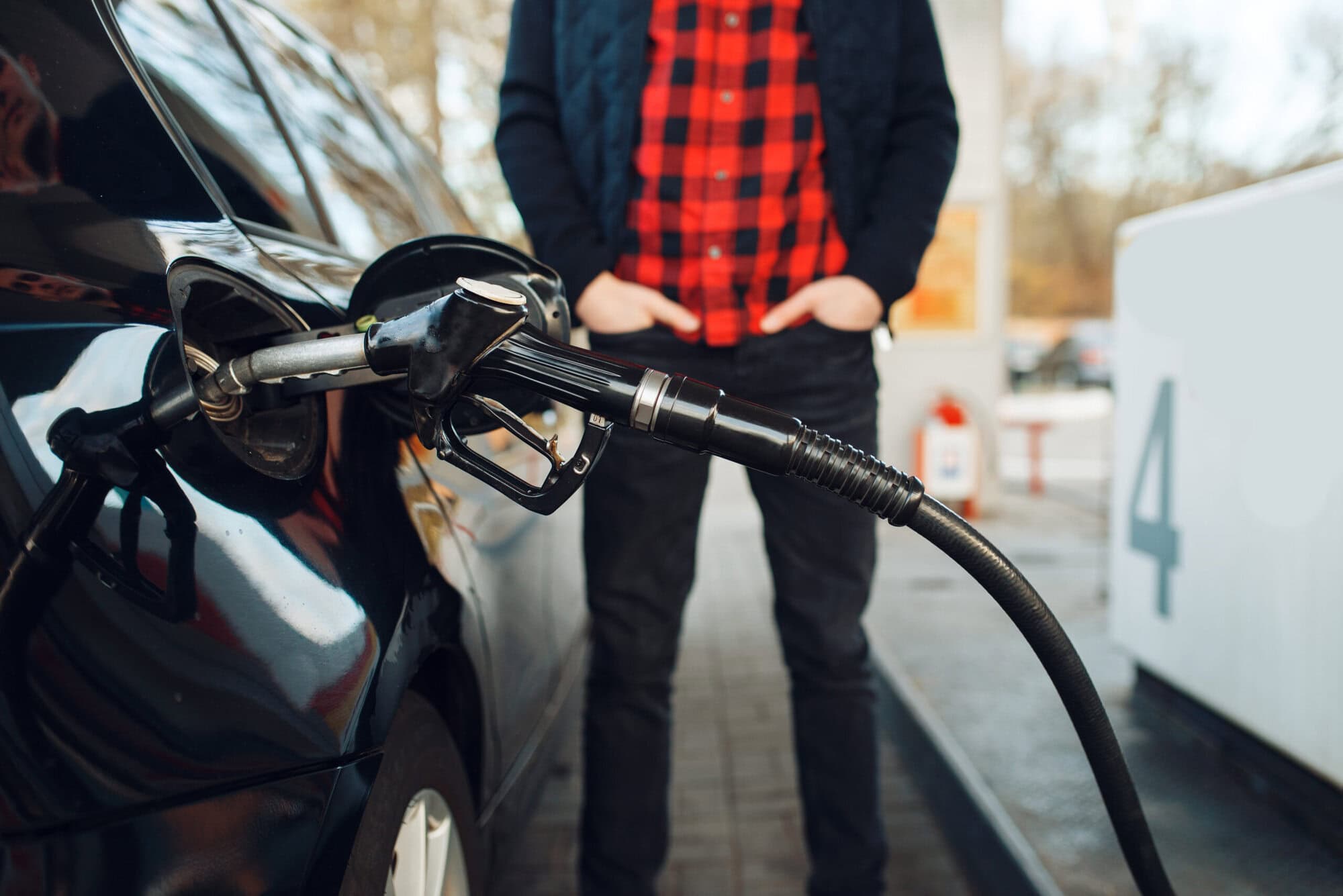
The war has disrupted global oil supply, particularly around the Strait of Hormuz, through which roughly 20% of the world’s oil flows. As a result, fuel prices across Europe have already jumped and in some countries prices crossed €2 per litre. Here, in the Czech Republic, prices have jumped about 16 CZK a litre. For a typical driver (1,500 litres/year) that is an extra 24,000 CZK pa- for many that could be the annual holiday budget.
Europe, including the Czech Republic, is energy import dependent. That means we don’t control prices and we “import inflation” from global markets. So when oil prices rise globally, Czech households feel it almost immediately.
The second wave
Oil doesn’t just affect petrol. It affects everything that moves-
- Transport of food
- Packaging
- Fertilisers (key for agriculture)
- Logistics and warehousing
Economists warn this creates a ripple effect through the economy, pushing prices higher across the board.
Czech households' energy bills
Europe is heavily dependent on imported energy and that’s the key vulnerability.
Gas prices have already surged significantly during the conflict (around +60% in Europe). So, we can expect increased electricity bills, heating costs and more expensive services (restaurants, gyms etc).
Mortgages and Savings
If inflation rises again, central banks (including the Czech National Bank) may need to keep interest rates higher for longer or even raise rates again. This means mortgages stay expensive longer, refinancing may get more expensive. The only winners would be those with large amounts in savings accounts.
Why Czech households are especially exposed
Europe, including the Czech Republic, is energy import dependent.
That means we don’t control prices and we “import inflation” from global markets
So when oil prices rise globally, Czech households feel it almost immediately.
What do we recommend you do?
This is not a moment for panic, but for awareness.
1. Expect higher monthly costs
-
- Build a buffer (even +2,000–5,000 CZK/month)
2. Be cautious with large new expenses
-
- Cars, mortgages, major commitments
3. Review your investments
-
- Inflation-resistant assets matter more now
4. Don’t overreact to headlines
-
- Markets often stabilize faster than prices
