
For employees with little or no savings it can be financially devastating.
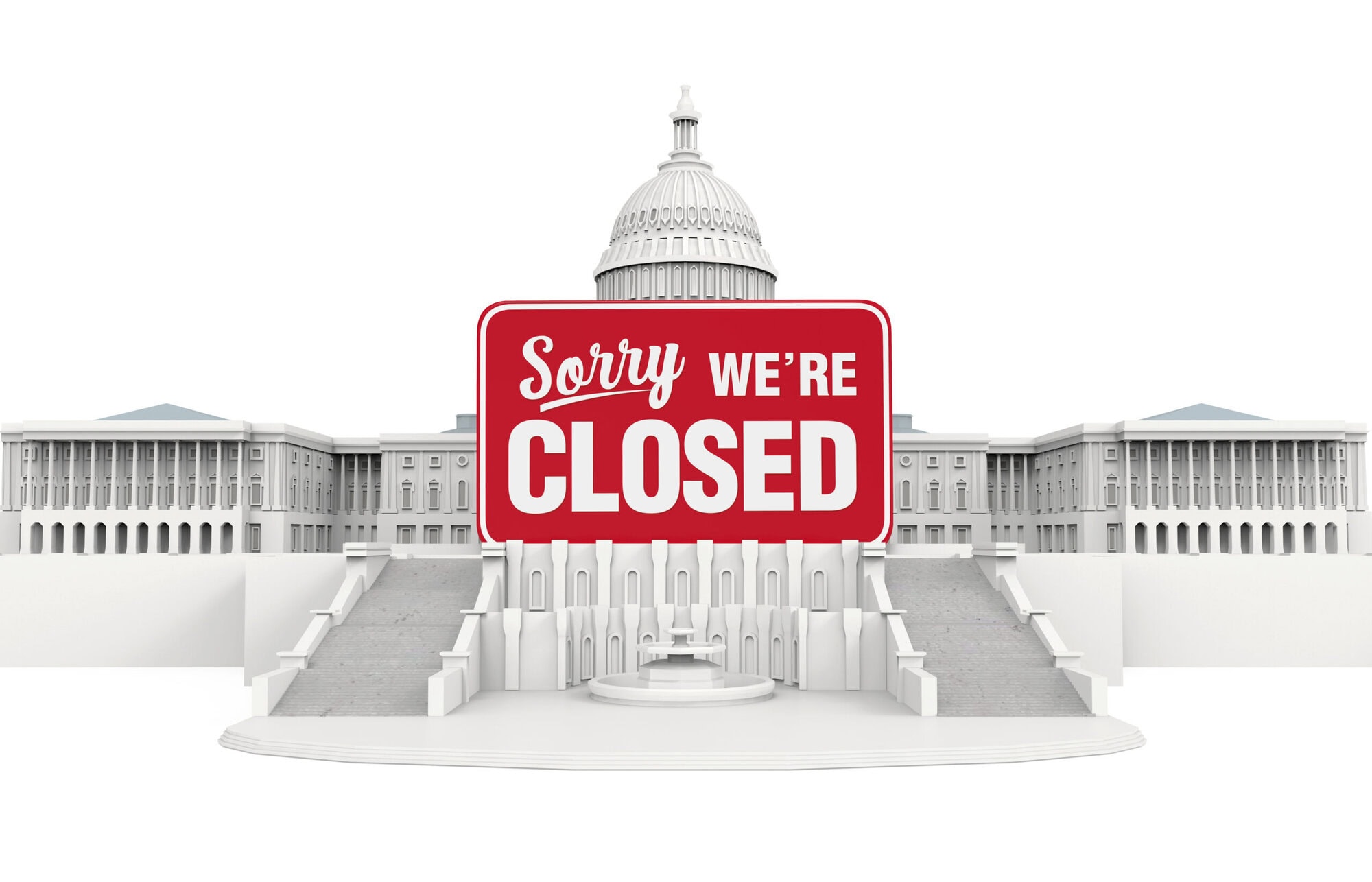
I have just been watched CNN and the issues surrounding the US Government shutdown. From a financial planning perspective, one matter really stood out and that was the financial difficulties this is causing many federal workers.
We have all seen on TV the queues at foodbanks and the removal of food stamps for those that need them. Why has this happened?
When the federal government shuts down, many employees suddenly stop receiving pay. Some are furloughed (not working, not paid). Others are required to keep working but still don’t get paid until the shutdown ends. Even if back pay eventually arrives, the gap between paychecks can last weeks.
For employees with little or no savings, this isn’t just inconvenient — it can be financially devastating. As a financial planner, this is the one thing that really shocked me.
While shutdowns are unpredictable, financial preparedness isn’t.
The Immediate Impact
Without a paycheck, everyday necessities become difficult to cover:
- Rent or mortgage
- Groceries
- Utility bills
- Transportation or childcare costs
If you don’t have savings, you may be forced to:
- Rely on credit cards or short-term loans
- Miss payments, leading to fees or damage to your credit rating
- Seek temporary help through food banks or community programs (for which funding appears to be restricting)
Emotional and Mental Stress
Beyond the bills, shutdowns create real emotional strain. Workers may have to report to work without knowing when they’ll be paid. Stress, frustration, and burnout are common, especially when each day feels financially uncertain. This leads to increasing absenteeism and the effects are now being seen with the restriction of flights in the USA this week.
Planning Could Make All the Difference
Shutdowns prove how vulnerable paycheck-to-paycheck living can be. Many federal workers are dedicated public servants, yet a sudden pay interruption can create significant hardship when there is no financial cushion.
Working with a financial planner —even briefly—can help employees:
- Build a realistic emergency savings plan,
- Prioritise spending and reduce unnecessary expenses,
- Create a safety strategy for future disruptions.
While shutdowns are unpredictable, financial preparedness isn’t. And, it is not just shutdowns that cause financial hardship. Redundancy, illness and unexpected costs can have a similar effect. Why not make this a New Year’s resolution and build up savings for a rainy day? It may be one of the most prudent decisions you will make!
